essential mowing techniques for beginners to master
Mowing the lawn is more than just a chore; it is an essential aspect of lawn care that can dramatically affect the health and appearance of your grass. If you are a beginner, mastering the right mowing techniques can lead to a lush, green lawn. In this guide, we will cover essential mowing techniques, tips for using lawn mowers effectively, and how to maintain your grass for optimal growth.
Choosing the Right Mower
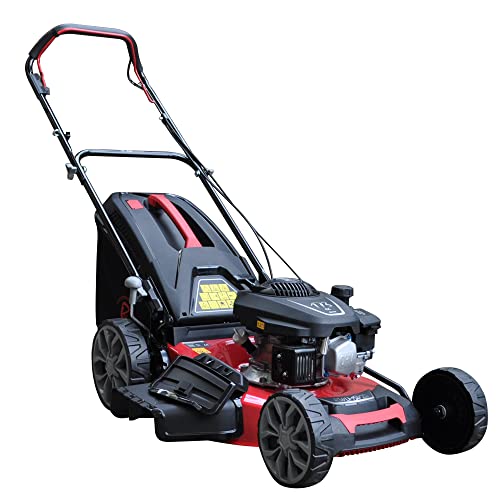
The first step to effective mowing is selecting the right equipment. There are several types of mowers available, including rotary mowers, reel mowers, and robotic mowers. For beginners, a rotary mower is often the best choice due to its ease of use and versatility. If you have a small lawn, a reel mower can be a lightweight and environmentally friendly option. Consider the size of your lawn, your budget, and whether you prefer manual or automatic operation when making your choice.
Understanding Grass Height
A critical aspect of mowing is knowing how tall to cut your grass. Different types of grass have varying optimal cutting heights. For example, cool-season grasses like Kentucky bluegrass should be mowed to a height of around 2.5 to 3 inches, while warm-season grasses like Bermuda thrive when cut to about 1 to 2 inches. Cutting your grass too short can stress the plants, making them susceptible to diseases and weeds. Always follow the one-third rule: never remove more than one-third of the grass blade length in a single mowing.
People Also Look For:
- Arvoni 4Pcs Lawn Mower Handle Bolts, Universal Lawnmowers Handle Wing Nut and Bolt, Triangle Knob Handle Screw Kit, Lawn Mower Par...
- TOPINCN Brush Cutter Gearhead Diam Strimmer Gearhead Gearbox Brushcutter Grasstrimmer Replace Gear Head 26Mm (7 Teeth)
- Indeed BUY Riding Lawn Mower Cover, Waterproof Tractor Cover Fits Decks up to 54",Heavy Duty 420D Polyester Oxford, Durable, UV, W...
- Lawn Tractor Fuel Tank Cap Petrol Diesel Fuel Tank Filler Cap Lawn Mower Gas Cap Vented Replacement Accessories 751-0603B 951-3111
- Hyundai 600W 2-in-1 Electric Grass Trimmer and Lawn Edger 30cm Cutting Width Grass Strimmers with Long 10m Power Cable, Lightweigh...
Establishing a Mowing Schedule
Consistency is key when it comes to mowing. Establish a mowing schedule based on the growth rate of your grass, which can vary with the seasons. During the spring and early summer, grass tends to grow more quickly, requiring more frequent mowing, potentially every 5 to 7 days. In the autumn, growth slows down, allowing you to stretch out the intervals to every 10 to 14 days. Mowing at the same time each week can also help establish a routine for you and keep your lawn looking even.
Preparing Your Mower
Before you start mowing, it is essential to prepare your mower properly. Ensure that the mower blades are sharp, as dull blades can tear the grass rather than cut it cleanly. This can lead to a ragged appearance and increase the risk of disease. Depending on your mower type, you may need to sharpen the blades yourself or take them to a professional. Additionally, check the oil, fuel levels, and air filters to ensure everything is in working order.
Mowing Patterns and Techniques
Varying your mowing patterns can help avoid soil compaction and promote a healthier lawn. Try alternating your mowing direction each week; this prevents the grass from leaning in one direction and encourages upright growth. Some popular mowing patterns include stripes, circles, or a checkerboard style. Experiment with different designs to find one that suits your lawn and gives it that professional look.
Grass Clippings: To Bag or Not to Bag
When it comes to handling grass clippings, you have a choice: to bag them or leave them on the lawn. Leaving clippings on the lawn can provide valuable nutrients back to the soil, promoting healthy growth. However, if the clippings are too long, they can smother the grass beneath. If you choose to bag, consider composting the clippings for use in your garden. Composting not only reduces waste but also provides a rich organic matter for your soil.
Post-Mowing Care
After mowing, take a moment to clean your equipment and inspect your lawn. Remove any debris or sticks that may have been missed and check for any signs of pests or disease. Maintaining a healthy lawn requires regular attention, and by combining good mowing practices with post-mowing care, you will set the foundation for a thriving lawn.