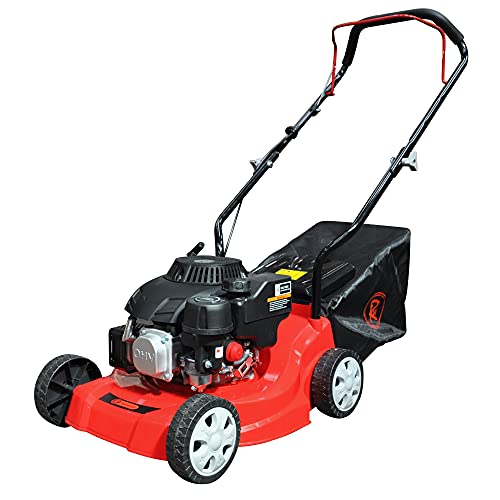
Comparing Electric and Gas Grassmowers in 2026
As homeowners seek effective solutions for lawn maintenance, the debate between electric and gas grassmowers continues to evolve. In 2026, advancements in technology and environmental considerations have significantly influenced the choices available. Homeowners now have a range of options that cater to various needs and preferences. This article will delve into the pros and cons of electric and gas grassmowers, providing insights to help you make an informed decision for your lawn care in 2026.
Understanding the Electric Grassmower
Electric grassmowers have gained popularity among homeowners, primarily due to their eco-friendly appeal and ease of use. In 2026, these mowers are equipped with advanced battery technology that allows for longer run times and quicker charging. Many models now come with smart features, enabling users to monitor battery levels and mowing efficiency through smartphone applications.
Advantages of Electric Grassmowers
One of the standout advantages of electric grassmowers is their low environmental impact. In 2026, homeowners are increasingly aware of their carbon footprints, and using an electric mower can significantly reduce emissions. Additionally, electric mowers tend to be quieter than their gas counterparts, making them ideal for residential areas where noise restrictions might be in place.
Another benefit is the reduced maintenance requirement. Electric mowers do not require oil changes, spark plug replacements, or fuel mixing, allowing homeowners to focus more on mowing rather than upkeep. With fewer moving parts, electric mowers are often more reliable and can last longer with proper care.
Considerations for Electric Grassmowers
Despite their advantages, electric grassmowers also come with some limitations. Battery life can be a concern for larger lawns, as some models might struggle to complete the job on a single charge. In 2026, manufacturers have introduced high-capacity batteries, but homeowners should assess their lawn size before choosing an electric model.
Moreover, charging infrastructure is crucial. Homeowners need access to power outlets, and in some cases, extension cords might be necessary, which can be cumbersome. Additionally, while electric mowers have improved in performance, they may not be suitable for very thick or tall grass compared to gas mowers.
People Also Look For:
- Unibos Have Duty Extending Handle Patio Groove Soft Handle Telescopic Edger Edging Extendable Hand Tool Garden Gardening Patio Ste...
- Mountfield SP41 Petrol Lawnmower, Self-Propelled, 39cm cutting width, 123cc ST120 Autochoke petrol engine, Up to 250m², Include...
- Bosch Cordless Lawnmower CityMower 18V-32 (18 Volt, 1x Battery 4 Ah, Brushless Motor, Cutting Width: 32 cm, Lawns up to 300 m²,...
- Cordless Lawnmower With 4.0Ah Battery and Charger - 330mm Cutting Width - 3 Cutting Heights 25mm to 65mm - 30 Litre Collection Box...
- WORKPRO 12V Cordless Hedge Trimmer, Hedge Trimmer Cordless with 2000mAh Lithium-Ion Battery Package, Handheld Hedge Trimmer with 2...
Exploring Gas Grassmowers
Gas grassmowers have long been a staple in lawn care, and in 2026, they still hold a strong presence in the market. These mowers are typically favored for their power and ability to handle various grass types and conditions. Homeowners who prioritize performance often lean towards gas models, especially for larger or more challenging lawns.
Advantages of Gas Grassmowers
One of the primary benefits of gas grassmowers is their cutting power. In 2026, these mowers are designed to tackle thick grass and uneven terrain effectively. Homeowners can mow large areas without worrying about battery life, making gas mowers suitable for expansive lawns or properties with diverse landscaping.
Additionally, gas mowers tend to have a wider range of options available, including self-propelled models that can make mowing more manageable. Many gas mowers also come with advanced features such as adjustable cutting heights and reliable engines that ensure consistent performance.
Considerations for Gas Grassmowers
On the flip side, gas grassmowers require more maintenance compared to electric models. Homeowners must regularly check oil levels, replace spark plugs, and ensure proper fuel mixing. This maintenance can be time-consuming and may require additional costs over time. In 2026, homeowners should factor in these ongoing responsibilities when choosing a gas mower.
Moreover, gas mowers are typically louder and emit exhaust fumes, which may not be suitable for all neighborhoods, especially those focused on sustainability. With increasing regulations on noise and emissions in various regions, potential buyers should be aware of local laws that may affect their choice.
Cost Comparison and Value for Homeowners
Cost is always a significant factor when choosing a grassmower. In 2026, both electric and gas mowers are available at various price points, but generally, electric mowers tend to be less expensive upfront. However, homeowners should consider long-term costs, including maintenance and fuel expenses for gas mowers versus potential battery replacement costs for electric models.
Initial Investment and Long-Term Costs
When comparing initial investments, electric mowers usually range from budget-friendly options to higher-end models equipped with advanced features. In contrast, gas mowers can also vary significantly, but high-performance models may come with a higher price tag. Homeowners should evaluate their budget and lawn care needs carefully.
Long-term costs can differ greatly based on usage. Gas mowers require fuel purchases, while electric mowers incur electricity costs. However, as electricity rates fluctuate, homeowners should consider the potential savings from using electric models, particularly in areas with renewable energy options.
Environmental Impact and Sustainability
As sustainability becomes increasingly important, homeowners must consider the environmental impact of their lawn care choices. In 2026, electric grassmowers are often viewed as a greener alternative, contributing to lower greenhouse gas emissions. Many homeowners are shifting towards eco-friendly practices, and using electric mowers aligns well with these values.
Gas mowers, while powerful, can contribute to air pollution and noise pollution, which may not resonate well with environmentally conscious homeowners. As regulations tighten regarding emissions, potential buyers should weigh the pros and cons of each option in the context of their values and community standards.
Future Trends in Lawn Care Equipment
Looking ahead, the lawn care equipment market is evolving rapidly. In 2026, advancements in battery technology are expected to further enhance the usability of electric mowers, potentially offering even longer run times and shorter charging periods. Innovations in smart technology will likely integrate more features that can assist homeowners in optimizing their mowing schedules and efficiency.
Gas mowers may also see improvements in fuel efficiency and emission reductions as manufacturers respond to environmental concerns. Homeowners can expect to see more hybrid options emerging, catering to those who want the benefits of both electric and gas mowing.
Final Thoughts on Choosing Your Mower
Deciding between electric and gas grassmowers in 2026 ultimately depends on individual preferences, lawn characteristics, and values related to sustainability. Homeowners should carefully assess their specific needs and consider factors such as lawn size, maintenance willingness, and environmental impact. This informed approach will lead to a choice that not only meets lawn care needs but also aligns with broader values for a sustainable future.