essential maintenance tips for prolonging lawn mower life
Maintaining your lawn mower is crucial to ensuring it operates efficiently and lasts for many seasons to come. With the right care, you can avoid unnecessary repairs and keep your garden looking pristine. Here are essential maintenance tips that every lawn mower owner should follow.
Regular Cleaning
After each mowing session, it is essential to clean your mower. Grass clippings can accumulate under the mower deck, which can lead to rust and other issues. Use a brush or a cloth to wipe down the exterior and a hose to rinse off the deck, ensuring that any debris is removed. This practice not only keeps your mower looking tidy but also prevents dirt build-up that can affect performance.
Check the Oil
Just like a car, your lawn mower requires oil to operate smoothly. Regularly check the oil level and quality. If the oil appears dirty or has not been changed in more than 50 hours of operation, it is best to change it. Typically, you should replace the oil at the beginning of the mowing season. Always use the oil specified in the owner's manual for optimal performance.
Sharpening the Blades
Sharp blades are key to achieving a clean cut and maintaining the health of your lawn. Dull blades tear grass rather than cut it, making the lawn susceptible to disease. Check the blades at least twice a season, or more often if you frequently mow. You can sharpen them yourself with a file or take them to a professional for a more refined edge. Remember to disconnect the spark plug before performing any work on the mower.
People Also Look For:
- Carburetor Kit for FS55 FS55RC FS38 KM55 HL45 KM55R String Trimmer Weed Eater Rep Lawn Mowers Parts Accessories
- Draper 08672 Self-Propelled Petrol Lawn Mower, 460mm, (150cc/3.6HP)
- Hyundai 46cm Petrol Lawnmower Self-Propelled, 460mm / 18'' Cutting Width Lawn mower, 3.5HP 4-Stroke Petrol Engine, Foldable Handle...
- VonHaus Cordless Lawnmower 40V – Electric Lawn Mower – 30L Collection Box, 5 Cutting Heights, 33cm Cutting Width, 5 ...
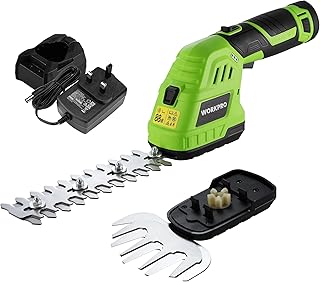
- Saker Cordless Hedge Trimmer-20V Electric Shrub Trimmer Grass Shears Handheld Grass Cutter,Hedge Shear with 1 Rechargeable Battery...
Inspect the Fuel System
Fuel is a critical component of your mower’s operation. Check the fuel lines for any cracks or leaks. If you have not used your mower for a while, consider draining the old fuel and replacing it with fresh fuel, as old petrol can lead to engine problems. Using a fuel stabiliser can help preserve fuel when you are not using the mower for an extended period.
Battery Maintenance
If you own a battery-powered mower, it is essential to maintain the battery properly. Keep the battery charged, and avoid letting it fully deplete before recharging, as this can shorten its lifespan. Store the battery in a cool, dry place, and clean the terminals regularly to prevent corrosion.
Check the Cables and Belts
Cables and belts are essential for the smooth operation of your lawn mower. Regularly inspect these components for wear and tear. If you notice fraying or damage, replace them immediately to avoid further complications. Keeping cables and belts in good condition will ensure that your mower starts easily and runs efficiently.
Store Properly
How you store your mower can greatly affect its longevity. After the mowing season, clean the mower thoroughly and store it in a dry, sheltered location. If possible, elevate the mower to keep it off the ground, reducing the risk of rust. Cover the mower with a breathable cover to protect it from dust and moisture.
Seasonal Tune-Up
Consider giving your mower a seasonal tune-up. This involves checking the spark plug, air filter, and other essential components to ensure everything is functioning correctly. Replacing the air filter every season can improve airflow and efficiency. A well-tuned mower will consume less fuel and deliver better results.
Follow Manufacturer Guidelines
Always refer to your mower’s owner manual for specific maintenance recommendations and schedules. Each model may have unique requirements, and adhering to these guidelines can help you avoid costly mistakes.